
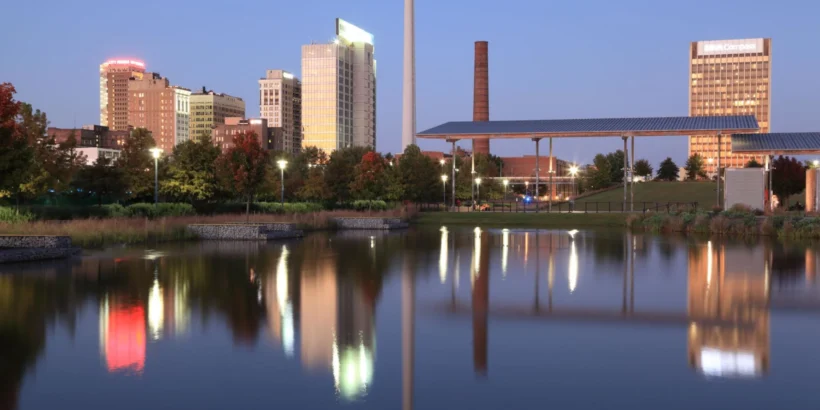
Alabama: A Complete Guide to History, Culture, Economy, Civil Rights Legacy, and Modern Development
Introduction
Alabama is one of the most historically significant states in the Southern United States. From its Indigenous civilizations and colonial-era exploration to its role in the American Civil War and the Civil Rights Movement, Alabama has contributed profoundly to the nation’s development.
Today, Alabama is recognized for its thriving aerospace sector, advanced manufacturing industries, world-class universities, rich cultural traditions, and growing technology ecosystem. The state’s unique blend of historical heritage and modern innovation continues to attract tourists, students, entrepreneurs, and investors from around the world.
This comprehensive guide explores Alabama’s history, geography, economy, culture, education, tourism, and future opportunities.
Alabama at a Glance
| Feature | Details |
|---|---|
| State Name | Alabama |
| Nickname | The Yellowhammer State |
| Capital | Montgomery |
| Largest City | Huntsville |
| Statehood | December 14, 1819 |
| State Number | 22nd State |
| Region | Southern United States |
| Population | More than 5 Million |
| Major Industries | Aerospace, Automotive Manufacturing, Agriculture, Steel Production, Education |
| Famous For | Civil Rights Movement, Space Industry, Cotton Production |
Geography and Natural Environment
Location and Borders
Located in the southeastern United States, Alabama shares borders with:
- Tennessee (North)
- Georgia (East)
- Florida and the Gulf of Mexico (South)
- Mississippi (West)
Its strategic location has historically supported trade, transportation, and economic development throughout the American South.
Major Rivers and Waterways
Alabama’s extensive river network has played a vital role in transportation, agriculture, and settlement expansion.
Key waterways include:
- Alabama River
- Tennessee River
- Tombigbee River
- Coosa River
During the nineteenth century, these rivers facilitated the movement of cotton and other agricultural products to domestic and international markets.
Climate
Alabama experiences a humid subtropical climate characterized by:
- Long, hot summers
- Mild winters
- Abundant rainfall
- Occasional tropical storms and hurricanes along the Gulf Coast
These conditions support agriculture, forestry, and livestock production across the state.
Early History of Alabama
Native American Civilizations
Long before European arrival, Alabama was home to sophisticated Indigenous societies, including:
- Creek Confederacy (Muscogee)
- Cherokee Nation
- Choctaw Tribe
- Chickasaw Tribe
These communities developed advanced agricultural systems, trade networks, political structures, and cultural traditions. They cultivated crops such as corn, beans, and squash while maintaining extensive trade relationships throughout the southeastern region.
Archaeological Legacy
Evidence of Alabama’s Indigenous heritage can be found at important historical sites, including:
- Moundville Archaeological Park
- Ancient ceremonial centers
- Earthen mound complexes
These sites demonstrate the complexity and achievements of pre-colonial societies in the region.
European Exploration
European exploration began in the sixteenth century.
Hernando de Soto Expedition
In 1540, Spanish explorer Hernando de Soto traveled through present-day Alabama while searching for wealth and territorial expansion opportunities.
His expedition marked one of the earliest documented encounters between Europeans and Native American communities in the region.
French and British Influence
During the seventeenth and eighteenth centuries:
- French explorers established settlements along the Gulf Coast.
- France expanded trade networks with Indigenous communities.
- Britain later gained influence through territorial treaties and colonial conflicts.
Consequences of European Contact
European arrival brought significant changes, including:
- Introduction of new diseases
- Population decline among Native communities
- Increased tribal conflicts
- Expansion of colonial trade systems
- Cultural disruption and displacement
Alabama Territory and Statehood
Formation of the Alabama Territory
The Alabama Territory was officially established in 1817 from the eastern portion of the Mississippi Territory.
Several factors encouraged migration into the region:
- Fertile agricultural land
- Expanding cotton production
- Access to river transportation
Settlement growth accelerated as Native American lands were increasingly acquired through treaties and forced removals.
Becoming the 22nd State
On December 14, 1819, Alabama officially joined the United States as its twenty-second state.
Early State Capitals
Alabama’s capitals changed several times before permanently settling in Montgomery:
- Cahaba
- Tuscaloosa
- Montgomery
Statehood accelerated economic development and population growth throughout the region.
The Cotton Economy and Slavery
Rise of Cotton Production
During the nineteenth century, Alabama became one of America’s leading cotton-producing states.
The invention of the cotton gin significantly increased production efficiency and contributed to:
- Expansion of plantations
- Growth of agricultural exports
- Rising demand for labor
The Black Belt region became particularly famous for its fertile soil and high cotton yields.
The Role of Slavery
Alabama’s plantation economy depended heavily on enslaved African Americans.
Despite facing severe oppression, enslaved communities preserved important cultural traditions through:
- Religious practices
- Music
- Oral storytelling
- Community bonds
These traditions later influenced broader American culture.
Alabama and the American Civil War
Secession and Confederacy
In 1861, Alabama seceded from the Union and joined the Confederate States of America.
Montgomery briefly served as the Confederacy’s first capital, making Alabama a central location during the early stages of the Civil War.
Impact of the War
The conflict caused widespread devastation, including:
- Economic disruption
- Infrastructure damage
- Food shortages
- Military casualties
The war permanently transformed Alabama’s political and economic landscape.
Reconstruction and Segregation
Reconstruction Era
Following the Civil War, Alabama entered Reconstruction under federal supervision.
Key developments included:
- Abolition of slavery
- Constitutional reforms
- Expanded voting rights
- Increased political participation for African Americans
Jim Crow Era
Despite early progress, segregation laws were later implemented throughout the state.
These laws enforced racial separation in:
- Schools
- Transportation
- Housing
- Public facilities
This period lasted for decades and contributed to significant social inequality.
Industrialization and Economic Growth
Birmingham: The Industrial Center
By the late nineteenth century, Birmingham emerged as a major industrial hub.
The city’s growth was fueled by nearby deposits of:
- Iron ore
- Coal
- Limestone
Major industries included:
- Steel production
- Mining
- Railroads
- Construction materials
This industrial transformation diversified Alabama’s economy beyond agriculture.
Alabama and the Civil Rights Movement
A Turning Point in American History
Alabama played a pivotal role in the struggle for civil rights during the 1950s and 1960s.
Montgomery Bus Boycott
In 1955, Rosa Parks refused to surrender her seat on a segregated bus in Montgomery.
This act sparked the Montgomery Bus Boycott, led by Dr. Martin Luther King Jr.
The boycott became a landmark event in the fight against racial segregation.
Selma-to-Montgomery Marches
In 1965, civil rights activists organized marches demanding voting rights.
The violent attacks against peaceful protesters during “Bloody Sunday” shocked the nation and helped lead to the passage of the Voting Rights Act of 1965.
Modern Alabama Economy
Aerospace and Defense
Alabama has become a national leader in aerospace innovation.
Huntsville, often called “Rocket City,” hosts major operations associated with:
- NASA
- Missile defense programs
- Space research initiatives
The U.S. Space & Rocket Center remains one of the state’s most visited attractions.
Automotive Manufacturing
Alabama has developed into a major automobile production center.
Key advantages include:
- Skilled workforce
- Transportation infrastructure
- Business-friendly policies
The automotive sector supports thousands of jobs and contributes significantly to state exports.
Agriculture and Forestry
Agriculture continues to play an important role in Alabama’s economy.
Major products include:
- Cotton
- Poultry
- Soybeans
- Peanuts
- Timber
Forestry remains one of the state’s most valuable natural-resource industries.
Education and Research
Leading Universities
University of Alabama
Founded in 1831, the University of Alabama is among the state’s oldest and most respected institutions.
Auburn University
Auburn is internationally recognized for programs in:
- Engineering
- Agriculture
- Business
- Research
University of Alabama at Birmingham (UAB)
UAB is known for excellence in:
- Medical research
- Healthcare education
- Biotechnology innovation
Research and Innovation
Alabama continues to expand research in:
- Space science
- Engineering
- Biotechnology
- Artificial intelligence
- Healthcare
Alabama Culture and Traditions
Southern Hospitality
Alabama is widely associated with traditional Southern values, including:
- Strong family connections
- Community involvement
- Religious faith
- Cultural preservation
Music Heritage
The state has made significant contributions to American music.
Popular genres include:
- Blues
- Country
- Gospel
- Southern Rock
- Jazz
Legendary musician Nat King Cole was born in Alabama.
Sports Culture
College football is deeply rooted in Alabama’s identity.
The rivalry between:
- Alabama Crimson Tide
- Auburn Tigers
is one of the most celebrated traditions in American sports.
Tourism in Alabama
Gulf Coast Attractions
Popular coastal destinations include:
- Gulf Shores
- Orange Beach
Visitors enjoy:
- Fishing
- Boating
- Beach recreation
- Seafood dining
Historical Landmarks
Notable attractions include:
- Edmund Pettus Bridge
- Civil Rights Memorial
- USS Alabama Battleship Memorial Park
These sites attract visitors interested in American history and civil rights heritage.
Government and Politics
Alabama operates under a constitutional government consisting of:
- Executive Branch
- Legislative Branch
- Judicial Branch
The Governor serves as the state’s chief executive officer.
Major political issues often include:
- Education
- Healthcare
- Economic development
- Infrastructure investment
Transportation InfrastructureHighways
Key interstate highways include:
- Interstate 10
- Interstate 20
- Interstate 65
- Interstate 85
Ports and Airports
The Port of Mobile serves as one of the Gulf Coast’s most important shipping centers and supports international trade throughout the region.
Natural Resources
Alabama possesses significant natural resources, including:
- Coal
- Timber
- Natural gas
- Limestone
- Iron ore
These resources have contributed to industrial growth for generations.
Demographics and Population
Alabama’s population reflects diverse cultural backgrounds, including:
- African Americans
- European Americans
- Hispanic Americans
- Asian Americans
Major urban centers include:
- Birmingham
- Huntsville
- Mobile
- Montgomery
Challenges and Future Opportunities
Current Challenges
Some areas continue to face:
- Economic inequality
- Healthcare accessibility issues
- Educational disparities
- Natural disaster risks
Future Growth Sectors
Alabama is investing heavily in:
- Aerospace technology
- Artificial intelligence
- Robotics
- Biotechnology
- Sustainable agriculture
These industries are expected to drive future economic growth.
Famous People from Alabama
Notable individuals associated with Alabama include:
- Helen Keller – Author and activist
- Jesse Owens – Olympic champion
- Harper Lee – Author of To Kill a Mockingbird
- Rosa Parks – Civil rights pioneer
Alabama Food Culture
Traditional Alabama cuisine includes:
- Barbecue
- Fried chicken
- Catfish
- Biscuits
- Grits
- Pecan pie
Regional barbecue styles remain an important part of the state’s culinary identity.
Conclusion
Alabama’s history reflects many of the defining moments of American development. From Indigenous civilizations and European exploration to industrial growth, civil rights activism, and modern technological advancement, the state has played a vital role in shaping the United States.
Today, Alabama combines historical significance with economic innovation. Its strong aerospace industry, growing technology sector, respected universities, cultural heritage, and natural beauty position the state for continued growth in the twenty-first century.
While challenges remain, Alabama’s commitment to education, innovation, infrastructure, and sustainable development ensures that it will continue to be an influential and dynamic part of America for generations to come.
References
- U.S. Census Bureau. Alabama Population and Demographic Data.
- National Park Service. Civil Rights Movement Historical Resources.
- Encyclopedia of Alabama. History, Culture, and Economy of Alabama.
- Alabama Department of Archives and History.
- NASA Marshall Space Flight Center, Huntsville, Alabama.
- University of Alabama Historical Archives.
- U.S. Department of Agriculture (USDA).
- Library of Congress – American Civil War and Reconstruction Collections.