
Introduction
Armenia is one of the world’s oldest continuously inhabited countries, with a rich history stretching back thousands of years. Located in the South Caucasus region between Europe and Asia, Armenia has been a crossroads of civilizations, empires, religions, and cultures. Despite invasions, wars, occupations, and even genocide, the Armenian people have preserved their language, culture, traditions, and national identity.
The history of Armenia is a remarkable story of resilience, faith, innovation, and survival. Armenia is especially known as the first nation in the world to adopt Christianity as its state religion in 301 AD. The country’s historical heritage includes ancient kingdoms, medieval monasteries, influential scholars, and a vibrant diaspora spread across the globe.
This comprehensive article explores the complete history of Armenia, from prehistoric times to the modern Republic of Armenia.
1. Geography and Early Settlements
Armenia lies in the Armenian Highlands, a mountainous region historically extending across parts of modern Armenia, eastern Turkey, northwestern Iran, and southern Georgia.
Key geographical features include:
- Mount Ararat
- Lake Sevan
- Aras River
- Debed River
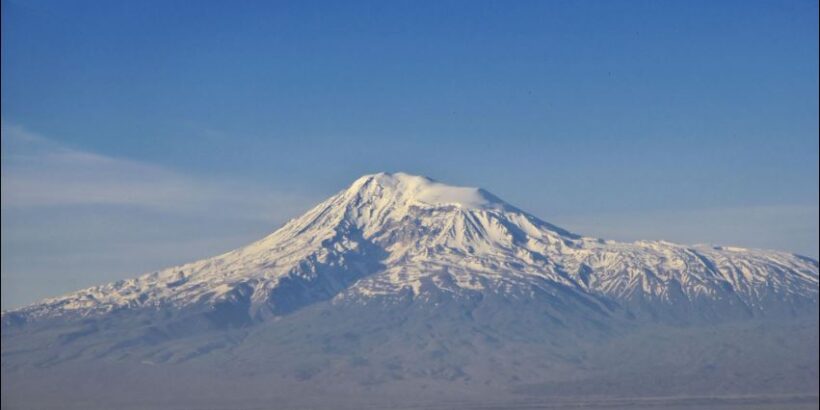
Although Mount Ararat is now located within Turkey, it remains the national symbol of Armenia.
The region’s fertile valleys and strategic location encouraged human settlement from prehistoric times.
2. Prehistoric Armenia
Archaeological discoveries indicate that humans inhabited Armenia as early as 500,000 years ago.
Important discoveries include:
Areni-1 Cave


The Areni Cave complex revealed:
- The world’s oldest known leather shoe
- Ancient wine-making facilities
- Human remains dating back over 6,000 years
These discoveries demonstrate that Armenia was among the earliest centers of agriculture and civilization.
3. The Kingdom of Urartu (860–590 BC)
One of the earliest organized states in the Armenian Highlands was the Kingdom of Urartu.


Major Features
- Capital: Tushpa
- Advanced irrigation systems
- Strong military organization
- Impressive fortresses
King Argishti I founded Erebuni Fortress in 782 BC, which later became modern Yerevan.
Urartu eventually declined due to invasions by the Medes and Scythians.
4. Formation of the Armenian Nation
After Urartu’s collapse, Indo-European Armenian tribes gradually merged with local populations.
This fusion produced:
- Armenian language
- Armenian ethnic identity
- Armenian culture
By the 6th century BC, Armenians emerged as a distinct people.
5. The Orontid Dynasty (570–200 BC)
The Orontids established one of the earliest Armenian dynasties.
Characteristics included:
- Semi-independent rule
- Persian cultural influence
- Expansion of trade
Armenia became a satrapy under the Achaemenid Persian Empire but retained considerable autonomy.
6. Armenian Empire under Tigranes the Great (95–55 BC)


Tigranes II, known as Tigranes the Great, created the largest Armenian Empire in history.
Expansion
The empire stretched across:
- Armenia
- Syria
- Lebanon
- Parts of Turkey
- Northern Iraq
- Iran
Achievements
- Established Tigranocerta
- Expanded trade routes
- Strengthened military power
His reign marked Armenia’s golden era of political influence.
7. Roman and Persian Influence
Following Tigranes’ death, Armenia became a battleground between:
- Roman Empire
- Parthian Empire
- Later Sassanian Persia
Armenia’s strategic location made it highly valuable.
Throughout centuries, Armenian rulers balanced relationships with competing empires.
8. Armenia Becomes the First Christian Nation (301 AD)
One of the most significant events in Armenian history occurred in 301 AD.


King Tiridates III adopted Christianity under the influence of Saint Gregory the Illuminator.
Importance
Armenia became:
- First Christian state
- Center of Christian scholarship
- Defender of Christian traditions
The Armenian Apostolic Church remains central to Armenian identity.
9. The Golden Age of Armenia
Armenian Alphabet
In 405 AD, Mesrop Mashtots invented the Armenian alphabet.
Benefits included:
- Preservation of literature
- Religious translation
- Educational advancement
The Bible was translated into Armenian shortly afterward.
Literary Growth
Many classical works were translated from:
- Greek
- Syriac
- Persian
This period is considered Armenia’s cultural golden age.
10. Medieval Armenia
Medieval Armenia faced continuous pressure from neighboring powers.
Key challenges:
- Byzantine influence
- Persian domination
- Arab expansion
Despite difficulties, Armenian culture flourished.
11. Arab Rule and Resistance
During the 7th century, Arab armies conquered much of Armenia.
Armenians:
- Paid tribute
- Maintained religious identity
- Organized periodic revolts
The Armenian Church helped preserve national culture.
12. The Bagratid Kingdom (885–1045)


The Bagratid dynasty restored Armenian independence.
Capital: Ani
Ani became known as:
“The City of One Thousand and One Churches.”
Achievements
- Economic prosperity
- Architectural advancement
- Religious development
Ani became one of the largest cities in the medieval world.
13. Armenian Kingdom of Cilicia (1080–1375)
After Seljuk invasions, many Armenians migrated to Cilicia.
Located along the Mediterranean coast, Cilician Armenia became:
- A trading hub
- Crusader ally
- Cultural center
The kingdom maintained Armenian sovereignty for nearly 300 years.
14. Mongol Invasions
In the 13th century, Mongol armies invaded Armenia.
Effects included:
- Destruction of cities
- Economic decline
- Political fragmentation
However, Armenian culture survived.
15. Ottoman and Persian Rule
From the 16th century onward, Armenia was divided between:
- Ottoman Empire
- Safavid Persia
Armenians faced:
- Heavy taxation
- Religious restrictions
- Periodic persecution
Despite hardships, Armenian merchants became influential across Asia and Europe.
16. Armenian National Revival
During the 18th and 19th centuries:
- Armenian schools expanded
- Newspapers appeared
- National consciousness increased
Intellectuals promoted:
- Education
- Cultural preservation
- Political reform
17. Armenian Genocide (1915–1923)
One of the darkest chapters in Armenian history occurred during World War I.


Hundreds of thousands of Armenians were deported, and historians widely estimate that around 1 to 1.5 million Armenians died through massacres, starvation, disease, and forced marches.
Consequences
- Massive population loss
- Global Armenian diaspora
- Lasting historical debate
Today, many countries recognize the Armenian Genocide.
18. First Republic of Armenia (1918–1920)
Following the collapse of the Russian Empire:
Independence Declared
May 28, 1918
Challenges included:
- War
- Refugee crisis
- Economic hardship
The republic survived only two years.
19. Soviet Armenia (1920–1991)
In 1920 Armenia became part of the Soviet Union.
Development
Soviet Armenia experienced:
- Industrialization
- Urbanization
- Educational expansion
Challenges
- Political repression
- Limited political freedoms
- Cultural restrictions
Nevertheless, Armenia became one of the more developed Soviet republics.
20. Independence and Modern Armenia
Armenia declared independence on September 21, 1991.
Key Priorities
- Democratic governance
- Economic reforms
- International recognition
Yerevan emerged as a modern capital city.
21. Nagorno-Karabakh Conflict
The dispute between Armenia and Azerbaijan centers on Nagorno-Karabakh.
Key developments:
- Late Soviet tensions
- War during the 1990s
- Renewed conflicts in 2020 and afterward
The conflict significantly influenced Armenia’s political and economic development.
22. Armenia in the 21st Century
Modern Armenia has focused on:
Economic Growth
Major sectors include:
- Information technology
- Tourism
- Agriculture
- Mining
International Relations
Armenia maintains relations with:
- Europe
- Russia
- United States
- Middle Eastern countries
23. Armenian Culture and Heritage


Language
Armenian belongs to its own branch of the Indo-European language family.
Religion
The Armenian Apostolic Church remains one of the world’s oldest Christian institutions.
Architecture
Famous examples include:
- Monasteries
- Churches
- Stone carvings (Khachkars)
Cuisine
Popular dishes include:
- Lavash
- Khorovats
- Dolma
- Harissa
24. Timeline of Armenian History
| Year | Event |
|---|---|
| 860 BC | Kingdom of Urartu emerges |
| 782 BC | Erebuni founded |
| 95 BC | Tigranes the Great begins reign |
| 301 AD | Christianity adopted |
| 405 AD | Armenian alphabet created |
| 885 AD | Bagratid Kingdom established |
| 1080 AD | Cilician Armenia founded |
| 1915 AD | Armenian Genocide begins |
| 1918 AD | First Republic established |
| 1920 AD | Soviet rule begins |
| 1991 AD | Independence restored |
Legacy of Armenia
Armenia’s history is among the most remarkable in human civilization. From the ancient Kingdom of Urartu to the modern independent republic, Armenians have demonstrated extraordinary resilience. Their contributions to religion, literature, architecture, commerce, and culture have influenced regions far beyond the Caucasus.
Despite centuries of conquest, displacement, and hardship, Armenia preserved its unique identity. The Armenian alphabet, Christian traditions, medieval monasteries, and global diaspora continue to connect Armenians worldwide.
Today, Armenia stands as a sovereign nation that honors its ancient heritage while embracing modernization and global engagement. Its story remains a powerful example of cultural endurance, national survival, and historical continuity across more than three millennia.
History of Armenia – Continue Part 2
25. Ancient Armenian Religion Before Christianity
Before adopting Christianity in 301 AD, Armenians practiced a rich polytheistic religion influenced by Indo-European traditions and neighboring civilizations such as Persia, Mesopotamia, and Greece.
Major Pagan Deities
Aramazd
Aramazd was considered the supreme god of the Armenian pantheon. He was associated with:
- Creation
- Fertility
- Wisdom
- Prosperity
Anahit
Anahit was the goddess of:
- Motherhood
- Fertility
- Healing
- Wisdom
She was among the most beloved deities in ancient Armenia.
Vahagn
Vahagn was the Armenian god of:
- War
- Courage
- Fire
- Thunder
He was often compared to Hercules because of his strength and bravery.
Mihr
Mihr represented:
- Light
- Justice
- Truth
His worship reflected strong Persian influences.
Pagan Temples
One of the best-preserved pagan structures is the ancient temple of Garni.


6
Built during the 1st century AD, Garni remains one of Armenia’s most important historical monuments.
26. The Armenian Apostolic Church and National Identity
The Armenian Apostolic Church has played a crucial role in preserving Armenian identity for over 1,700 years.
Unlike many nations whose identities are based primarily on territory, Armenian identity became closely connected with:
- Faith
- Language
- Church traditions
- Cultural heritage
Role During Foreign Occupation
Throughout centuries of foreign domination, the Church:
- Preserved Armenian language
- Maintained educational institutions
- Protected manuscripts
- Encouraged national unity
The Church became the guardian of Armenian culture when no independent Armenian state existed.
27. Armenian Monasteries: Guardians of Knowledge
Medieval Armenian monasteries were not only religious centers but also institutions of learning.
Functions
Monasteries served as:
- Universities
- Libraries
- Scriptoria
- Research centers
Famous Monasteries
Geghard Monastery


Geghard is partly carved into mountains and is recognized as a UNESCO World Heritage Site.
Tatev Monastery
Founded during the 9th century, Tatev became one of the most important educational institutions in medieval Armenia.
Haghpat and Sanahin
These monastery complexes became renowned centers of theology, philosophy, and science.
28. Armenian Architecture Through the Ages
Armenian architecture influenced many Christian architectural traditions.
Characteristics
Armenian churches often feature:
- Cone-shaped domes
- Volcanic stone construction
- Cross-shaped floor plans
- Decorative stone carvings
Global Influence
Many historians believe Armenian architectural innovations influenced:
- Byzantine architecture
- Georgian architecture
- Eastern European church design
29. Armenian Manuscripts and Literature
The invention of the Armenian alphabet in 405 AD triggered an intellectual revolution.
Manuscript Tradition
Thousands of manuscripts were created covering:
- Theology
- Astronomy
- Medicine
- Philosophy
- History
Matenadaran
The famous manuscript repository in Yerevan preserves over 23,000 ancient manuscripts and historical documents.
The collection is among the most significant in the world.
30. Armenian Scholars and Scientists
Throughout history, Armenian scholars contributed significantly to global knowledge.
Anania Shirakatsi
A 7th-century scholar known for studies in:
- Mathematics
- Astronomy
- Geography
Grigor Magistros
A prominent philosopher and educator who promoted classical learning.
Medieval Contributions
Armenian scholars translated important Greek and Syriac works, preserving knowledge that might otherwise have been lost.
31. Armenian Trade Networks
Armenian merchants became famous throughout Eurasia.
Trade Routes
Armenians participated in:
- Silk Road commerce
- Mediterranean trade
- Persian Gulf trade
Merchant Colonies
Armenian communities appeared in:
- Venice
- Amsterdam
- Isfahan
- Moscow
- Kolkata
These communities facilitated international commerce between East and West.
32. Armenians in the Ottoman Empire
During Ottoman rule, Armenians were recognized as a distinct religious community.
Contributions
Armenians excelled in:
- Banking
- Trade
- Education
- Architecture
- Publishing
Many Armenian families became influential within Ottoman society.
Challenges
However, Armenians also faced:
- Legal discrimination
- Heavy taxation
- Political instability
These tensions intensified during the late 19th century.
33. Armenian National Movement
During the 1800s, Armenian intellectuals launched a national revival.
Objectives
They sought:
- Educational reform
- Cultural preservation
- Political representation
- Protection from persecution
Newspapers and schools became important tools for national awakening.
34. Hamidian Massacres (1894–1896)
Before the Armenian Genocide, Armenians experienced widespread violence during the reign of Sultan Abdul Hamid II.
Historians estimate that hundreds of thousands of Armenians were killed.
These events foreshadowed the larger tragedy that would follow during World War I.
35. The Armenian Genocide in Greater Detail
Causes
Factors contributing to the genocide included:
- Nationalist ideology
- Wartime fears
- Ethnic tensions
- Political instability
Deportations
Armenians were forced from their homes and marched across deserts.
Many died from:
- Starvation
- Disease
- Exposure
- Violence
Global Recognition
Today, numerous countries, organizations, and scholars recognize these events as genocide.
The memory remains central to Armenian national identity.
36. Armenian Diaspora Around the World
The Armenian diaspora is one of the largest and most influential diasporas globally.
Major Communities
Significant Armenian populations live in:
- Russia
- United States
- France
- Lebanon
- Argentina
- Canada
- Australia
Contributions
Diaspora Armenians have contributed to:
- Business
- Science
- Arts
- Politics
- Philanthropy
The diaspora continues to maintain strong cultural ties with Armenia.
37. Armenia During World War II
As part of the Soviet Union, Armenia contributed significantly to the war effort.
Contributions
More than 500,000 Armenians served in Soviet forces.
Many Armenian soldiers received high military honors for bravery.
Industrial Support
Armenian factories produced:
- Military equipment
- Supplies
- Communications equipment
These contributions played an important role in the Allied victory.
38. The 1988 Spitak Earthquake
One of Armenia’s greatest natural disasters occurred on December 7, 1988.


Impact
- Tens of thousands killed
- Hundreds of thousands displaced
- Massive infrastructure destruction
The disaster drew international humanitarian assistance.
39. The Road to Independence
During the late Soviet period, Armenians increasingly demanded:
- Democratic reforms
- Greater autonomy
- National self-determination
The collapse of the Soviet Union accelerated these movements.
Independence Referendum
In September 1991, Armenians overwhelmingly voted for independence.
The Republic of Armenia officially emerged as a sovereign state.
40. Building a New Nation
The newly independent Armenia faced significant challenges:
Economic Problems
- Energy shortages
- Inflation
- Unemployment
- Trade disruptions
Political Reforms
The government worked to establish:
- Democratic institutions
- Constitutional governance
- Market economy reforms
Despite difficulties, Armenia gradually stabilized.
41. Armenia’s Modern Capital: Yerevan
Yerevan is among the world’s oldest continuously inhabited cities.
Founded in 782 BC as Erebuni, the city has evolved into:
- Political center
- Cultural hub
- Educational capital
- Economic engine


Today, Yerevan combines ancient history with modern urban development.
42. Armenia’s UNESCO World Heritage Sites
Armenia possesses several UNESCO-listed treasures.
Important Sites
- Monasteries of Haghpat and Sanahin
- Cathedral and Churches of Echmiadzin
- Archaeological Site of Zvartnots
- Monastery of Geghard and Upper Azat Valley
These landmarks attract visitors from around the world.
43. Armenian Music and Arts
Traditional Armenian culture includes:
Musical Instruments
- Duduk
- Zurna
- Kanun
- Dhol
The duduk is especially famous and recognized by UNESCO as an important cultural heritage tradition.
Arts
Armenians have excelled in:
- Painting
- Sculpture
- Literature
- Cinema
- Classical music
44. Sports in Armenian History
Popular sports include:
- Chess
- Wrestling
- Weightlifting
- Football
- Boxing
Chess Success
Armenia has become one of the strongest chess nations in the world, producing numerous grandmasters and international champions.
45. Armenia’s Future
Modern Armenia continues to focus on:
- Economic development
- Technology innovation
- Educational advancement
- Cultural preservation
- International cooperation
The country’s growing technology sector has earned it the nickname:
“The Silicon Valley of the Caucasus.”
Conclusion
The history of Armenia spans more than three thousand years and represents one of humanity’s most enduring stories of civilization and survival. From prehistoric settlements and the Kingdom of Urartu to the mighty empire of Tigranes the Great, Armenia has played a significant role in regional and world history.
Its adoption of Christianity in 301 AD transformed not only Armenia but also the broader Christian world. Through centuries of invasion, foreign domination, and national tragedy, Armenians preserved their language, faith, and culture.
The Armenian Genocide remains one of the most significant and painful chapters of modern history, yet the Armenian people rebuilt communities across the globe and maintained a strong national identity.
Today, Armenia stands as an independent republic with a rich cultural heritage, a growing economy, and a dynamic global diaspora. Its monasteries, manuscripts, traditions, and historical monuments continue to inspire scholars, travelers, and historians worldwide.
The story of Armenia is ultimately a testament to resilience, faith, and the enduring power of cultural identity.
History of Armenia – Continue Part 3
Ancient Armenian Kings, Detailed Dynasties, Cultural Evolution, Economic History, Famous Armenians, and Expanded Historical Timeline
46. Ancient Armenian Kings and Their Legacy
The history of Armenia is closely connected to a succession of powerful kings who shaped the nation’s political, military, and cultural identity.
Aram the Patriarch
According to Armenian tradition, Aram was one of the earliest legendary rulers and a descendant of Hayk, the legendary founder of the Armenian nation.
Contributions
- Unified Armenian tribes
- Expanded territorial influence
- Strengthened national identity
Though partly legendary, Aram occupies an important place in Armenian historical memory.
Hayk the Great
Hayk is considered the founder of the Armenian people.
Historical Significance
According to Armenian tradition:
- Defeated the Babylonian ruler Bel
- Established Armenian independence
- Became the ancestor of Armenians
The Armenian name for Armenia, Hayastan, originates from Hayk.
Artashes I (189–160 BC)
Artashes founded the Artaxiad Dynasty.
Achievements
- Unified Armenian territories
- Established strong administration
- Founded the capital city of Artashat
His reign marked the beginning of a powerful Armenian kingdom.
Tigranes II (Tigranes the Great)


Tigranes II remains Armenia’s most celebrated ruler.
Major Achievements
- Created the largest Armenian Empire
- Expanded trade routes
- Strengthened military power
- Developed urban centers
Territorial Expansion
At its peak, his empire stretched from:
- Mediterranean Sea
- Caspian Sea
- Northern Mesopotamia
- Parts of Syria and Lebanon
No Armenian ruler has ever controlled a larger territory.
Tiridates III
Historical Importance
Tiridates III became famous for:
- Converting to Christianity
- Declaring Christianity the state religion
- Supporting Saint Gregory the Illuminator
His reign transformed Armenian civilization forever.
47. Detailed Dynasties of Armenia
Orontid Dynasty (570–200 BC)
The Orontids established the earliest historical Armenian monarchy.
Characteristics
- Persian influence
- Regional autonomy
- Expansion of agriculture
- Development of urban centers
The dynasty helped create the foundations of Armenian statehood.
Artaxiad Dynasty (189 BC–12 AD)
The Artaxiads created a strong centralized kingdom.
Notable Rulers
- Artashes I
- Tigranes the Great
- Artavasdes II
Contributions
- Administrative reforms
- Military expansion
- Economic growth
- Urban development
This dynasty represented Armenia’s first great imperial period.
Arsacid Dynasty (52–428 AD)
The Arsacids ruled during one of Armenia’s most transformative periods.
Achievements
- Adoption of Christianity
- Development of Armenian literature
- Expansion of church institutions
The dynasty oversaw Armenia’s transition from paganism to Christianity.
Bagratid Dynasty (885–1045 AD)
The Bagratids restored Armenian independence after centuries of foreign rule.
Golden Age
The Bagratid period witnessed:
- Economic prosperity
- Population growth
- Architectural achievements
- Educational advancement
Ani became one of the most magnificent cities of the medieval world.
Rubenid Dynasty (1080–1252 AD)
The Rubenids established the Armenian Kingdom of Cilicia.
Significance
- Maintained Armenian independence
- Expanded Mediterranean trade
- Built alliances with Crusader states
This kingdom preserved Armenian sovereignty after the fall of Greater Armenia.
48. Evolution of Armenian Society
Throughout history, Armenian society evolved significantly.
Ancient Society
Ancient Armenia was characterized by:
- Tribal organization
- Agricultural economy
- Warrior aristocracy
- Pagan religious traditions
Social Classes
- Royal family
- Nobility
- Priests
- Farmers
- Artisans
Medieval Society
Christianity transformed Armenian social structures.
Changes
- Monasteries became educational centers
- Literacy expanded
- Church influence increased
- New cultural traditions emerged
The church became a cornerstone of social stability.
Modern Society
Today’s Armenia features:
- Democratic institutions
- Urban population growth
- Expanding educational opportunities
- Technological innovation
Modern Armenian society balances ancient traditions with contemporary development.
49. Economic History of Armenia
Ancient Economy
Agriculture formed the foundation of Armenia’s economy.
Major Products
- Wheat
- Barley
- Grapes
- Fruits
- Livestock
The fertile valleys of the Armenian Highlands supported prosperous communities.
Silk Road Era
Armenia occupied a strategic position along major trade routes.
Economic Benefits
Merchants traded:
- Silk
- Precious metals
- Textiles
- Wine
- Spices
Trade generated substantial wealth for Armenian cities.
Medieval Commercial Centers
Important trading cities included:
- Ani
- Dvin
- Artashat
- Tigranocerta
These cities linked Europe and Asia through commerce.
Armenian Merchants Abroad
By the 17th century Armenian merchants had established networks throughout:
- Persia
- India
- Russia
- Europe
- China
They became famous for international trade expertise.
Soviet Economic Development
During Soviet rule:
Major Industries
- Manufacturing
- Electronics
- Chemical production
- Machinery
- Scientific research
Armenia became one of the Soviet Union’s technologically advanced republics.
Modern Economy
Current key sectors include:
Information Technology
Armenia has emerged as a regional technology hub.
Tourism
Historic sites attract visitors from around the world.
Agriculture
Agriculture remains important, particularly:
- Grapes
- Apricots
- Wine production
Mining
Mining contributes significantly to exports.
50. Evolution of Armenian Culture
Language
The Armenian language remains one of the oldest surviving Indo-European languages.
Importance
The Armenian alphabet:
- Preserved national identity
- Encouraged literacy
- Protected cultural heritage
Today the alphabet remains largely unchanged since its creation in 405 AD.
Literature
Armenian literature spans more than 1,600 years.
Major Themes
- Religion
- National identity
- Heroism
- Survival
- Love
Armenian writers produced works that remain influential today.
Music
Traditional Armenian music reflects centuries of cultural development.
Famous Instrument
The Duduk symbolizes Armenian musical heritage.
Its distinctive sound is recognized worldwide.
Cuisine
Armenian cuisine evolved through centuries of cultural exchange.
Popular Foods
- Lavash
- Dolma
- Khorovats
- Harissa
- Gata
These dishes remain central to Armenian traditions.
51. Famous Armenians Throughout History
Mesrop Mashtots (362–440 AD)


Contributions
- Invented Armenian alphabet
- Expanded literacy
- Preserved Armenian culture
He is considered one of Armenia’s greatest historical figures.
Saint Gregory the Illuminator
Importance
- Converted Armenia to Christianity
- Founded Armenian Church traditions
- Influenced national identity
His impact continues today.
Komitas Vardapet
A pioneering ethnomusicologist who preserved Armenian folk music.
Legacy
- Collected thousands of folk songs
- Preserved musical heritage
- Influenced modern Armenian music
William Saroyan
One of the most celebrated Armenian-American authors.
Contributions
- Pulitzer Prize-winning writer
- Promoted Armenian culture globally
- Celebrated immigrant experiences
Aram Khachaturian
A world-famous composer.
Famous Works
- Sabre Dance
- Spartacus
- Gayane Ballet
His music remains popular worldwide.
Charles Aznavour
One of the most successful singers of the twentieth century.
Achievements
- More than 100 million records sold
- International cultural ambassador
- Advocate for Armenia
Garry Kasparov
Though primarily associated with Russia, Kasparov’s Armenian heritage is widely recognized.
Achievements
- World Chess Champion
- Political activist
- Influential author
52. Armenian Diaspora Success Stories
The Armenian diaspora became one of the most successful global communities.
Areas of Achievement
- Banking
- Technology
- Medicine
- Science
- Entertainment
- Politics
Diaspora Armenians have significantly contributed to their adopted countries while maintaining strong ties to Armenia.
53. Armenia and Education
Education has long been central to Armenian civilization.
Medieval Education
Monasteries taught:
- Theology
- Mathematics
- Philosophy
- Astronomy
Modern Education
Today Armenia maintains:
- Universities
- Research institutes
- Technology academies
The country enjoys a high literacy rate.
54. Armenia’s Scientific Contributions
Armenian scientists contributed to:
Astronomy
Ancient Armenian observatories studied celestial movements.
Mathematics
Medieval scholars advanced mathematical knowledge.
Modern Technology
Contemporary Armenian engineers participate in:
- Software development
- Artificial intelligence
- Semiconductor design
55. Armenia and Global Civilization
Armenia’s contributions extend far beyond its borders.
Influence Areas
- Christianity
- Architecture
- Literature
- Music
- Trade
- Scholarship
Its strategic location made Armenia a bridge between East and West.
Expanded Historical Timeline of Armenia
| Year | Event |
|---|---|
| c. 2492 BC | Traditional date of Hayk’s victory |
| 860 BC | Kingdom of Urartu established |
| 782 BC | Erebuni founded |
| 570 BC | Orontid Dynasty begins |
| 189 BC | Artaxiad Dynasty founded |
| 95 BC | Tigranes the Great ascends throne |
| 66 BC | Roman-Armenian treaty |
| 301 AD | Christianity adopted |
| 405 AD | Armenian alphabet created |
| 428 AD | End of Arsacid Dynasty |
| 640 AD | Arab invasions begin |
| 885 AD | Bagratid Kingdom established |
| 961 AD | Ani becomes capital |
| 1045 AD | Fall of Bagratid Kingdom |
| 1080 AD | Cilician Armenia established |
| 1375 AD | Fall of Cilician Armenia |
| 1514 AD | Ottoman-Persian rivalry intensifies |
| 1828 AD | Eastern Armenia joins Russian Empire |
| 1915 AD | Armenian Genocide begins |
| 1918 AD | First Republic established |
| 1920 AD | Soviet rule begins |
| 1988 AD | Spitak Earthquake |
| 1991 AD | Independence restored |
| 2018 AD | Velvet Revolution |
| 2020 AD | Second Nagorno-Karabakh War |
Conclusion of Part 3
The history of Armenia is not merely the history of a nation but the story of one of humanity’s oldest civilizations. Across thousands of years, Armenian kings built powerful kingdoms, dynasties fostered cultural achievements, merchants connected continents, scholars preserved knowledge, and ordinary people protected their identity against extraordinary challenges.
From the legendary Hayk and the mighty Tigranes the Great to Mesrop Mashtots, Saint Gregory the Illuminator, Komitas, and Charles Aznavour, Armenians have contributed significantly to world civilization. Their achievements in religion, literature, architecture, music, trade, and education continue to shape global culture.
As Armenia moves forward in the 21st century, it carries with it a legacy of resilience, faith, creativity, and national pride that has endured for more than three millennia.
History of Armenia – Continue Part 4
Armenian Architecture, Churches and Monasteries, Military History, Armenian Genocide in Detail, Soviet Era Development, Modern Political History, Tourism, Economy, and Armenia’s Global Influence
56. Armenian Architecture: A Legacy in Stone
Armenian architecture is among the oldest and most distinctive architectural traditions in the world. Throughout history, Armenian builders developed a unique style that combined local materials, engineering innovation, and Christian symbolism.
Armenia’s mountainous landscape provided abundant volcanic tuff stone, which became the primary building material for churches, monasteries, fortresses, and cities.
Characteristics of Armenian Architecture
1. Conical Domes
The most recognizable feature of Armenian churches is the cone-shaped dome resting on a cylindrical drum.
2. Cross-Shaped Plans
Many Armenian churches were built in the form of a cross, symbolizing Christian faith.
3. Stone Construction
Unlike many civilizations that used wood, Armenians relied heavily on stone construction, which helped many structures survive for centuries.
4. Decorative Carvings
Intricate carvings often depicted:
- Biblical scenes
- Geometric designs
- Floral patterns
- Crosses
These decorations transformed churches into masterpieces of art and spirituality.
Influence on World Architecture
Many historians believe Armenian architectural innovations influenced:
- Byzantine architecture
- Georgian architecture
- Russian Orthodox church design
- Medieval European church construction
Armenian architects were respected throughout the Near East and the Caucasus.
57. Armenia’s Greatest Churches and Monasteries
Christianity transformed Armenia into a land of churches and monasteries.
Etchmiadzin Cathedral


Built in the early fourth century, Etchmiadzin is considered the world’s oldest state-built Christian cathedral.
Importance
- Spiritual center of Armenian Christianity
- Residence of the Catholicos
- UNESCO World Heritage Site
Geghard Monastery
Founded during the fourth century, Geghard is partially carved directly into rock cliffs.
Features
- Cave churches
- Medieval chapels
- Unique acoustics
- UNESCO recognition
The monastery demonstrates the extraordinary skill of Armenian craftsmen.
Tatev Monastery
Tatev became one of medieval Armenia’s most important educational centers.
Contributions
- Religious scholarship
- Philosophy
- Science
- Manuscript production
For centuries it functioned like a medieval university.
Haghpat and Sanahin
These twin monasteries became centers of learning and manuscript production.
UNESCO Recognition
Their architecture represents the highest achievements of medieval Armenian engineering.
58. Armenian Khachkars: Unique Stone Crosses
One of Armenia’s most distinctive cultural contributions is the Khachkar.
What Is a Khachkar?
A Khachkar is a carved memorial stone featuring:
- Crosses
- Floral motifs
- Geometric patterns
- Religious symbolism
Historical Importance
Khachkars commemorate:
- Military victories
- Religious devotion
- Historical events
- Individual achievements
Thousands survive today.
59. Armenian Military History
Throughout its long history Armenia fought numerous battles to preserve its independence.
Ancient Armenian Armies
Ancient Armenian armies included:
- Cavalry
- Archers
- Infantry
- Noble warriors
The Armenian Highlands provided natural defensive advantages.
Tigranes the Great’s Military Campaigns
Under Tigranes II, Armenia became a major military power.
Achievements
- Defeated neighboring kingdoms
- Expanded territory dramatically
- Built a regional empire
His military successes transformed Armenia into a dominant force in the Near East.
Roman-Armenian Conflicts
Armenia frequently became the battleground between:
- Roman Empire
- Parthian Empire
- Sassanian Persia
Armenian rulers often navigated complex alliances to preserve autonomy.
Medieval Armenian Warfare
During the Middle Ages, Armenians confronted:
- Arab invasions
- Seljuk Turks
- Mongols
- Ottoman expansion
Despite repeated invasions, Armenian military traditions endured.
60. Armenian Kingdom of Cilicia and the Crusades
The Armenian Kingdom of Cilicia emerged after many Armenians migrated to the Mediterranean coast.
Relationship with Crusaders
Armenian rulers cooperated with Crusader states.
Benefits
- Military alliances
- Trade opportunities
- Cultural exchange
Cilician Armenia became one of the most prosperous states in the Eastern Mediterranean.
61. The Armenian Genocide: Historical Background
The Armenian Genocide remains one of the most significant events in modern Armenian history.
Conditions Before World War I
During the late nineteenth century:
- Nationalism increased
- Ethnic tensions intensified
- Political instability spread
Many Armenians sought reforms and greater protection within the Ottoman Empire.
Deportations and Mass Suffering
Beginning in 1915, large numbers of Armenians were deported from ancestral homelands.
Consequences
Many people perished due to:
- Starvation
- Disease
- Forced marches
- Violence
Entire communities disappeared.
Humanitarian Response
Missionaries, diplomats, and aid organizations documented the suffering and attempted to provide relief to survivors.
Long-Term Impact
The genocide produced:
- Massive demographic changes
- Global Armenian diaspora expansion
- Cultural loss
- Generational trauma
The memory remains central to Armenian national consciousness.
62. Armenian Diaspora and Rebuilding Communities
Following the genocide, survivors established communities around the world.
Major Centers
Armenian communities grew in:
- France
- United States
- Russia
- Lebanon
- Argentina
- Canada
- Australia
Contributions
Diaspora Armenians founded:
- Schools
- Churches
- Cultural organizations
- Businesses
These institutions helped preserve Armenian identity abroad.
63. Soviet Armenia: Transformation and Development
After 1920 Armenia became part of the Soviet Union.
Industrialization
Major industries included:
- Machinery
- Electronics
- Chemicals
- Textiles
Industrial development accelerated urbanization.
Education
Soviet policies expanded:
- Literacy
- Universities
- Scientific research
Education became widely accessible.
Cultural Preservation
Despite political restrictions, Armenians preserved:
- Language
- Literature
- Historical traditions
Many historical monuments were restored during the Soviet period.
64. World War II and Armenia
Thousands of Armenians participated in the Soviet war effort.
Military Contributions
More than half a million Armenians served in the armed forces.
Heroism
Numerous Armenian soldiers received high military honors.
Armenian officers played important roles on the Eastern Front.
65. The Spitak Earthquake of 1988


The devastating earthquake struck northern Armenia on December 7, 1988.
Effects
- Entire towns destroyed
- Tens of thousands killed
- Infrastructure heavily damaged
The disaster prompted one of the largest international humanitarian responses of the late Soviet era.
66. Independence in 1991
With the collapse of the Soviet Union, Armenia regained independence.
Independence Referendum
The overwhelming majority voted in favor of sovereignty.
New Challenges
The young republic faced:
- Economic transition
- Political restructuring
- Regional conflicts
Despite difficulties, Armenia established democratic institutions.
67. Modern Political History
Constitutional Development
Armenia adopted a constitutional framework supporting:
- Elections
- Political parties
- Separation of powers
Democratic Evolution
Political reforms have continued throughout the post-Soviet period.
Velvet Revolution (2018)
One of the most important political events in modern Armenia was the peaceful Velvet Revolution.
Outcomes
- Political reforms
- Increased civic participation
- Government accountability
The movement attracted international attention.
68. Armenia and the Nagorno-Karabakh Conflict
The Nagorno-Karabakh dispute has shaped modern Armenian politics.
Historical Origins
The region has long been contested between Armenians and Azerbaijanis.
Major Developments
- Late Soviet tensions
- First Karabakh War
- Ceasefire periods
- Renewed conflicts
The issue remains one of the most significant challenges in Armenian foreign policy.
69. Tourism in Armenia
Tourism has become an increasingly important sector of Armenia’s economy.
Major Attractions
Lake Sevan


Known as the “Jewel of Armenia,” Lake Sevan is one of the world’s largest high-altitude freshwater lakes.
Mount Ararat
Although located in present-day Turkey, Mount Ararat remains Armenia’s most powerful national symbol.
Yerevan
One of the world’s oldest cities, Yerevan offers:
- Museums
- Historic monuments
- Modern cultural venues
- Vibrant nightlife
Garni Temple
The only surviving Greco-Roman pagan temple in the region.
Geghard Monastery
A masterpiece of medieval religious architecture.
70. Modern Armenian Economy
The economy has diversified significantly since independence.
Major Sectors
Information Technology
Armenia has developed a growing technology ecosystem.
Agriculture
Important products include:
- Apricots
- Grapes
- Wine
- Vegetables
Mining
Mining contributes substantially to exports.
Tourism
Tourism supports employment and foreign exchange earnings.
71. Armenian Wine: One of the World’s Oldest Traditions
Armenia is often described as one of the birthplaces of wine production.
Archaeological Evidence
The Areni Cave complex revealed one of the world’s oldest known wineries.
Wine Heritage
Armenians have produced wine continuously for thousands of years.
Today Armenian wines are gaining international recognition.
72. Armenia’s Global Influence
Despite its relatively small population, Armenia has had a significant global impact.
Areas of Influence
Religion
First nation to adopt Christianity as a state religion.
Culture
Contributions to:
- Literature
- Music
- Art
- Scholarship
Commerce
Armenian merchants helped connect Europe and Asia.
Diaspora
Armenian communities continue to contribute to global society.
73. Why Armenia Matters in World History
Armenia occupies a unique place in human civilization because it represents:
- One of the oldest nations on Earth
- A cradle of Christianity
- A bridge between Europe and Asia
- A center of ancient culture and learning
Its survival through centuries of invasions, occupations, and tragedies demonstrates extraordinary resilience.
Conclusion of Part 4
The story of Armenia is far more than the history of a small country in the Caucasus. It is the story of one of the world’s oldest civilizations—a nation that produced great kings, magnificent architecture, profound religious traditions, influential scholars, and a vibrant global diaspora.
From the stone fortresses of Urartu and the empire of Tigranes the Great to the monasteries of Geghard and Tatev, from the adoption of Christianity to the challenges of the modern era, Armenia’s journey reflects the enduring strength of culture and identity.
Today, Armenia continues to preserve its remarkable heritage while embracing innovation, economic development, and international engagement. Its history remains one of humanity’s most inspiring examples of endurance, faith, and national survival.
History of Armenia – Part 5
Armenian Literature, Language, Education, Science, Art, Music, Cuisine, Festivals, Traditions, National Symbols, and Complete Cultural Heritage


Introduction
Armenia is one of the world’s oldest civilizations, and its cultural heritage is among the richest and most distinctive on Earth. While Armenia’s political history is marked by empires, invasions, and struggles for survival, its cultural achievements have been equally remarkable. Over thousands of years, Armenians developed a unique language, alphabet, literature, music, architecture, cuisine, educational tradition, and artistic identity.
Armenian culture reflects influences from Europe, Asia, the Middle East, Persia, Greece, Rome, Byzantium, and Russia, yet it remains unmistakably Armenian. The preservation of this culture has been essential to the survival of the Armenian nation, especially during periods when Armenia lacked political independence.
This chapter explores the complete cultural heritage of Armenia and the contributions of Armenians to world civilization.
74. The Armenian Language
The Armenian language is one of the oldest living languages in the world.
Origins
Armenian belongs to the Indo-European language family but forms its own independent branch.
Unlike many languages, Armenian evolved separately and developed unique grammatical and phonetic characteristics.
Historical Development
Linguists generally divide Armenian into:
- Classical Armenian (Grabar)
- Middle Armenian
- Modern Armenian
Classical Armenian (Grabar)
Grabar emerged during the 5th century after the invention of the Armenian alphabet.
Importance
It became the language of:
- Literature
- Religion
- Government
- Scholarship
Many ancient manuscripts remain preserved in Grabar.
Modern Armenian
Modern Armenian exists in two major forms:
Eastern Armenian
Spoken primarily in:
- Armenia
- Iran
Western Armenian
Spoken mainly within diaspora communities.
Despite differences in pronunciation and vocabulary, both forms remain mutually understandable to a significant extent.
75. The Armenian Alphabet
One of Armenia’s greatest cultural achievements is the creation of its alphabet.
Mesrop Mashtots


In 405 AD, scholar and monk Mesrop Mashtots created the Armenian alphabet.
Purpose
The alphabet was designed to:
- Translate the Bible
- Spread Christianity
- Promote literacy
- Preserve Armenian identity
Structure
Originally, the alphabet contained:
- 36 letters
Later additions increased the total to:
- 39 letters
The Armenian alphabet remains in use today with minimal changes.
Cultural Importance
The alphabet became a powerful symbol of:
- National identity
- Religious faith
- Cultural survival
Many Armenians consider it one of the nation’s greatest achievements.
76. Armenian Literature
Armenian literature spans more than 1,600 years.
Golden Age of Literature
The 5th century is often called the Golden Age of Armenian Literature.
Major Activities
Scholars translated:
- The Bible
- Greek philosophy
- Historical works
- Religious texts
These translations preserved valuable knowledge.
Historical Literature
Early historians documented Armenian history.
Famous Historians
Movses Khorenatsi
Known as:
“The Father of Armenian History.”
His writings remain essential sources for ancient Armenian history.
Agathangelos
Documented:
- Conversion to Christianity
- Life of Saint Gregory the Illuminator
His work is invaluable for understanding early Armenian Christianity.
Medieval Literature
Medieval Armenian authors produced works on:
- Theology
- Philosophy
- Science
- Poetry
- History
Monasteries became centers of literary production.
Modern Literature
Modern Armenian literature addresses themes such as:
- National identity
- Exile
- Survival
- Love
- Social justice
William Saroyan
One of the most famous Armenian writers.
Contributions
- Pulitzer Prize-winning author
- Celebrated immigrant experiences
- Promoted Armenian heritage globally
77. Armenian Education Through History
Education has always been highly valued in Armenian society.
Early Christian Schools
Following the adoption of Christianity:
- Church schools emerged
- Literacy expanded
- Religious education flourished
Medieval Universities
Armenian monasteries functioned as educational institutions.
Subjects Taught
- Theology
- Mathematics
- Astronomy
- Philosophy
- Medicine
These centers attracted students from across the region.
Modern Education
Today Armenia enjoys:
- High literacy rates
- Strong university system
- Growing scientific community
Education remains a national priority.
78. Armenian Manuscript Tradition
Armenians developed one of the world’s richest manuscript traditions.
Manuscript Production
Monks painstakingly copied texts by hand.
Materials Used
- Parchment
- Natural pigments
- Gold leaf
Many manuscripts became artistic masterpieces.
Illuminated Manuscripts


Armenian manuscripts are renowned for:
- Colorful illustrations
- Decorative borders
- Religious symbolism
These works represent extraordinary artistic achievement.
Matenadaran
Located in Yerevan, the Matenadaran houses thousands of manuscripts.
Importance
It preserves:
- Ancient texts
- Scientific works
- Historical records
- Religious literature
The collection ranks among the world’s most important manuscript repositories.
79. Armenian Science and Scholarship
Armenian scholars made significant contributions to science.
Astronomy
Ancient Armenians observed celestial movements and developed calendars.
Mathematics
Medieval Armenian mathematicians advanced arithmetic and geometry.
Geography
Armenian scholars documented:
- Trade routes
- Neighboring regions
- Physical landscapes
Medicine
Medical manuscripts reveal extensive knowledge of:
- Herbal remedies
- Surgery
- Diagnosis
Armenian physicians were respected throughout the medieval world.
80. Armenian Art
Armenian art reflects thousands of years of cultural development.
Ancient Art
Ancient Armenian art included:
- Stone carvings
- Metalwork
- Pottery
- Jewelry
Christian Art
Following conversion to Christianity:
- Religious iconography expanded
- Church decoration flourished
- Frescoes became common
Modern Art
Modern Armenian artists gained international recognition.
Themes
- National identity
- Historical memory
- Landscape
- Spirituality
81. Armenian Music
Music occupies a central place in Armenian culture.
Folk Music
Traditional music reflects rural life and historical experiences.
Common Themes
- Love
- Nature
- Heroism
- Faith
The Duduk


The Duduk is Armenia’s most famous musical instrument.
Characteristics
- Made from apricot wood
- Soft, emotional sound
- UNESCO-recognized cultural heritage
The instrument symbolizes Armenian identity.
Classical Music
Aram Khachaturian
One of Armenia’s most celebrated composers.
Famous Works
- Sabre Dance
- Spartacus
- Gayane
His music remains popular worldwide.
82. Armenian Dance
Traditional dance remains an important cultural expression.
Features
Armenian dances emphasize:
- Group participation
- Community unity
- Historical storytelling
Popular Dances
Kochari
One of Armenia’s oldest dances.
Shalakho
Known for energetic movements and festive spirit.
These dances continue to be performed at celebrations worldwide.
83. Armenian Cuisine
Armenian cuisine is among the oldest culinary traditions in the world.
Characteristics
- Fresh ingredients
- Grilled meats
- Herbs and spices
- Bread-centered meals
Lavash


Lavash is a traditional Armenian flatbread.
UNESCO Recognition
Lavash is recognized as an important element of Armenian cultural heritage.
Popular Armenian Dishes
Khorovats
Armenian barbecue.
Dolma
Vegetables stuffed with rice and meat.
Harissa
A traditional wheat and meat dish.
Gata
A beloved Armenian pastry.
Armenian Wine
Armenia possesses one of the world’s oldest wine-making traditions.
Areni Cave Discovery
Archaeologists discovered one of the world’s oldest wineries in Armenia.
Wine remains an important part of Armenian culture and hospitality.
84. Armenian Festivals and Celebrations
Festivals reflect Armenia’s religious and cultural traditions.
Christmas
Unlike many countries, Armenia celebrates Christmas on:
January 6
The date preserves ancient Christian traditions.
Easter
Easter is among the most important religious holidays.
Families gather for:
- Worship
- Feasts
- Community celebrations
Vardavar
One of Armenia’s most unique festivals.
Tradition
People splash water on one another.
The celebration combines ancient pagan customs with Christian traditions.
Independence Day
Celebrated on September 21.
The holiday commemorates Armenia’s independence from the Soviet Union.
85. Armenian Family Traditions
Family occupies a central role in Armenian society.
Core Values
- Respect for elders
- Hospitality
- Community support
- Family loyalty
Weddings
Traditional Armenian weddings include:
- Music
- Dancing
- Religious ceremonies
- Large family gatherings
Hospitality
Guests are treated with exceptional generosity.
Providing food and comfort to visitors is considered a cultural obligation.
86. Armenian National Symbols
Mount Ararat
Although located outside modern Armenia, Mount Ararat remains the nation’s most powerful symbol.


The mountain appears in:
- Art
- Literature
- National imagery
Armenian Flag
The national flag consists of:
- Red
- Blue
- Orange
Symbolism
Red:
- Armenian Highlands
- National struggle
Blue:
- Peaceful skies
Orange:
- Creativity and hard work
Coat of Arms
The coat of arms incorporates symbols from historic Armenian dynasties and Mount Ararat.
87. UNESCO Cultural Heritage of Armenia
Armenia possesses numerous UNESCO-recognized cultural treasures.
Examples
- Armenian Khachkars
- Lavash bread tradition
- Duduk music
- Ancient monasteries
These recognitions demonstrate Armenia’s global cultural significance.
88. The Cultural Resilience of Armenia
One of the most remarkable aspects of Armenian history is cultural resilience.
Despite:
- Invasions
- Foreign rule
- Genocide
- Diaspora dispersion
Armenians preserved:
- Language
- Religion
- Literature
- Traditions
- Identity
Few nations have demonstrated such enduring cultural continuity.
Conclusion of Part 5
The cultural heritage of Armenia represents one of humanity’s greatest civilizational achievements. From the invention of the Armenian alphabet and the creation of a rich literary tradition to the development of distinctive music, architecture, cuisine, and religious practices, Armenian culture has survived and flourished for more than 3,000 years.
Armenians transformed their language into a symbol of national survival, preserved priceless manuscripts through centuries of turmoil, created world-renowned music and art, and maintained traditions that continue to unite Armenians across the globe. Their contributions to literature, science, education, religion, and culture extend far beyond the borders of Armenia.
Today, Armenia remains a living bridge between the ancient and modern worlds. Its monasteries, manuscripts, festivals, music, cuisine, and traditions continue to inspire scholars, travelers, artists, and historians worldwide. The story of Armenian culture is ultimately a story of creativity, resilience, faith, and the enduring power of national identity.
History of Armenia – Part 6
Complete History of Armenian Religion, Christianity, Armenian Apostolic Church, Saints, Monasteries, Pilgrimage Sites, Religious Traditions, and Spiritual Heritage


Introduction
Religion has played a central role in Armenian history, culture, and national identity for more than two thousand years. Few nations have been as profoundly shaped by faith as Armenia. The country’s religious heritage extends from ancient pagan beliefs and temple worship to its historic adoption of Christianity in 301 AD, making Armenia the first nation in the world to officially adopt Christianity as a state religion.
The Armenian Apostolic Church has served not only as a religious institution but also as a guardian of Armenian culture, language, education, literature, and national identity. During centuries of foreign domination, invasions, and displacement, the Church became the primary institution preserving Armenian civilization.
This chapter explores the complete religious history of Armenia, including pagan traditions, Christian conversion, saints, monasteries, pilgrimage centers, church traditions, spiritual practices, and the enduring influence of faith on Armenian society.
89. Ancient Armenian Religion Before Christianity
Before Christianity, Armenians practiced a complex polytheistic religion that combined indigenous traditions with influences from Persia, Mesopotamia, Greece, and Rome.
Nature Worship
Early Armenians believed that natural forces possessed divine power.
Sacred elements included:
- Mountains
- Rivers
- Trees
- Fire
- Sun
- Stars
The Armenian Highlands were considered spiritually significant landscapes.
Armenian Pagan Pantheon
Aramazd
Aramazd was regarded as the supreme god.
Attributes
- Creator
- Father of the gods
- Source of prosperity
- Protector of fertility
He occupied a position similar to Zeus in Greek mythology.
Anahit
Anahit was among the most revered deities.
Areas of Influence
- Motherhood
- Wisdom
- Fertility
- Healing
Her temples attracted pilgrims from across Armenia.
Vahagn
Vahagn was the god of:
- Courage
- Fire
- War
- Thunder
Ancient legends describe him as a dragon slayer and heroic warrior.
Mihr
Mihr symbolized:
- Justice
- Truth
- Light
His worship reflected strong Iranian religious influences.
Astghik
Astghik was the goddess of:
- Beauty
- Love
- Water
Many Armenian folk traditions preserve memories of her worship.
90. Pagan Temples of Ancient Armenia
Temple of Garni


Garni is the most famous surviving pagan temple in Armenia.
Construction
Built during the first century AD.
Features
- Classical columns
- Greco-Roman architectural style
- Elevated platform
- Religious significance
Garni remains one of Armenia’s most important historical monuments.
Religious Ceremonies
Pagan rituals often included:
- Animal sacrifices
- Seasonal celebrations
- Sacred fires
- Pilgrimages
Priests supervised major religious festivals.
91. Christianity Arrives in Armenia
Christianity reached Armenia during the first century AD.
According to tradition:
Apostolic Origins
Christianity was introduced by:
- Saint Thaddeus
- Saint Bartholomew
Both are regarded as apostles of the Armenian Church.
Early Christian Communities
Small Christian communities developed despite persecution from pagan authorities.
Believers often worshiped secretly.
Many suffered imprisonment and martyrdom.
92. Saint Gregory the Illuminator


Saint Gregory the Illuminator is one of the most important figures in Armenian history.
Early Life
Gregory was born into a noble Armenian family.
After embracing Christianity, he devoted his life to spreading the faith.
Imprisonment
King Tiridates III initially opposed Christianity.
Gregory was imprisoned in:
Khor Virap
He remained confined for approximately thirteen years.
Miraculous Release
According to tradition, Gregory was eventually released and healed King Tiridates.
This event transformed Armenian history.
93. Armenia Becomes the First Christian Nation
In 301 AD, Armenia officially adopted Christianity as its state religion.
This occurred before:
- Roman Empire
- Byzantine Empire
- Most European kingdoms
Historical Importance
Armenia became:
- First Christian state
- Center of Christian learning
- Defender of Christian traditions
This decision profoundly shaped Armenian identity.
94. King Tiridates III
King Tiridates III played a crucial role in Armenia’s Christianization.
Contributions
- Accepted Christianity
- Supported church construction
- Promoted religious education
His conversion transformed the kingdom.
95. Foundation of the Armenian Apostolic Church
The Armenian Apostolic Church traces its origins to the apostles Thaddeus and Bartholomew.
Apostolic Character
The Church considers itself directly connected to the earliest Christian communities.
Core Features
- Ancient liturgy
- Independent hierarchy
- Strong national identity
The Church became the spiritual heart of Armenia.
96. Holy Etchmiadzin: Spiritual Center of Armenia


Etchmiadzin is the headquarters of the Armenian Apostolic Church.
Meaning
The name means:
“The Descent of the Only-Begotten.”
According to tradition, Christ appeared to Gregory and indicated where the cathedral should be built.
Significance
Etchmiadzin serves as:
- Spiritual center
- Pilgrimage destination
- Administrative headquarters
Millions of believers regard it as sacred.
97. The Armenian Bible and Religious Literature
The invention of the Armenian alphabet in 405 AD revolutionized Armenian Christianity.
Translation of the Bible
Mesrop Mashtots and his associates translated the Bible into Armenian.
Importance
The translation:
- Expanded literacy
- Strengthened faith
- Preserved language
The Armenian Bible became a masterpiece of world literature.
98. Armenian Saints and Martyrs
The Armenian Church honors numerous saints.
Saint Hripsime
A Christian martyr who resisted persecution.
Her courage inspired generations of believers.
Saint Gayane
Another prominent martyr honored throughout Armenia.
Forty Martyrs
The Church remembers numerous individuals who sacrificed their lives for faith.
Martyrdom occupies an important place in Armenian spirituality.
99. Armenian Monasteries as Spiritual Centers
Monasteries played a crucial role in Armenian religious life.
Functions
They served as:
- Places of worship
- Schools
- Libraries
- Cultural centers
- Pilgrimage sites
Geghard Monastery


Partly carved into rock cliffs, Geghard is among Armenia’s most impressive monasteries.
Tatev Monastery
Tatev became one of Armenia’s greatest religious and educational centers.
Its scholars influenced theology and philosophy throughout the region.
Haghpat Monastery
Renowned for:
- Manuscript production
- Religious scholarship
- Architectural excellence
100. Pilgrimage Traditions
Pilgrimage remains an important aspect of Armenian religious life.
Major Pilgrimage Destinations
Etchmiadzin
The most important pilgrimage site in Armenia.
Khor Virap
Located near Mount Ararat.
Associated with Saint Gregory’s imprisonment.
Geghard
A major destination for spiritual reflection.
101. Armenian Religious Festivals
Christmas
Armenians celebrate Christmas on January 6.
Unlike many Christian traditions, Christmas and Epiphany are observed together.
Easter
Easter is the most important Christian feast.
Celebrations include:
- Church services
- Family gatherings
- Traditional meals
Transfiguration Feast (Vardavar)


Participants joyfully splash water on one another.
The celebration combines Christian meaning with ancient traditions.
102. Armenian Religious Music
Music plays a vital role in worship.
Sacred Chant
Armenian liturgical music developed over centuries.
Characteristics include:
- Deep spirituality
- Unique melodies
- Ancient traditions
Komitas Vardapet
The great composer Komitas preserved thousands of sacred and folk melodies.
His work remains foundational to Armenian music.
103. Armenian Church Architecture
Church architecture became one of Armenia’s greatest artistic achievements.
Features
- Conical domes
- Stone construction
- Cross-shaped plans
- Decorative carvings
These churches symbolize Armenia’s Christian heritage.
104. The Armenian Church During Foreign Rule
For centuries Armenia lacked political independence.
During these periods, the Church preserved:
- Language
- Education
- Historical memory
- National identity
The Church became the guardian of Armenian civilization.
105. The Church and the Armenian Genocide
During the Armenian Genocide, many clergy members were persecuted.
Churches and monasteries were destroyed or abandoned.
Despite these losses, the Church remained a source of hope and resilience.
106. The Armenian Church During Soviet Rule
Religious institutions faced restrictions under Soviet policies.
Challenges
- Church closures
- Reduced religious activity
- State oversight
Nevertheless, faith survived among the Armenian people.
107. Religious Revival After Independence
Following independence in 1991:
Developments
- Churches restored
- Monasteries reopened
- Religious education expanded
- Pilgrimage increased
A spiritual revival emerged throughout Armenia.
108. Armenian Religious Traditions and Customs
Baptism
Baptism is a major life event.
Families gather to celebrate the child’s entrance into the Christian community.
Marriage
Church weddings remain highly respected.
Traditional ceremonies emphasize:
- Family unity
- Faith
- Commitment
Funerals and Memorials
Armenian traditions emphasize prayer and remembrance.
Families honor deceased relatives through religious observances.
109. The Role of Faith in Armenian Identity
For Armenians, religion is more than personal belief.
It has historically represented:
- National survival
- Cultural continuity
- Community solidarity
Faith helped Armenians endure centuries of adversity.
110. Armenia’s Spiritual Heritage and Global Significance
Armenia occupies a unique place in world religious history.
Historical Contributions
- First Christian nation
- Ancient apostolic tradition
- Unique church architecture
- Rich manuscript heritage
- Influential theological scholarship
Its spiritual legacy extends far beyond the Caucasus region.
Conclusion of Part 6
The religious history of Armenia is one of the most extraordinary chapters in human civilization. From ancient pagan worship and the temples of Garni to the adoption of Christianity in 301 AD and the rise of the Armenian Apostolic Church, faith has shaped every aspect of Armenian life.
Saint Gregory the Illuminator, King Tiridates III, Mesrop Mashtots, and countless saints, monks, scholars, and believers helped create a spiritual tradition that survived invasions, persecution, genocide, and political upheaval. Armenia’s monasteries, cathedrals, sacred manuscripts, and pilgrimage sites remain enduring symbols of faith and cultural resilience.
Today, the Armenian Apostolic Church continues to serve as a spiritual anchor for Armenians around the world, preserving traditions that connect modern believers with nearly two millennia of Christian history. Armenia’s religious heritage stands as a remarkable testament to the power of faith, identity, and perseverance
Meta Description
Explore the complete history of Armenian religion, Christianity, the Armenian Apostolic Church, Saint Gregory the Illuminator, monasteries, pilgrimage sites, religious traditions, and Armenia’s spiritual heritage in this comprehensive guide.History of Armenian Christianity Armenian Apostolic Church Saint Gregory the Illuminator Armenia First Christian Nation Armenian Religious History Armenian Monasteries Holy Etchmiadzin Armenian Saints Khor Virap Monastery Armenian Spiritual Heritage